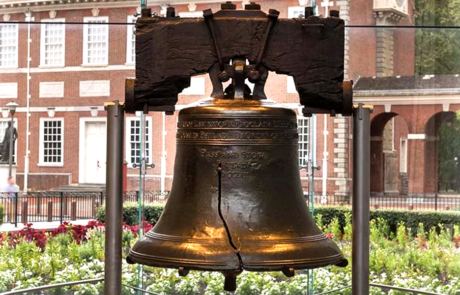
Democracy in Danger

2026-04-21T05:47:09-07:00

Annual Symposium 2026: Democracy in Danger

April 30 – May 1, 2026

COSPONSORED BY THE SANTA FE COMMUNITY COLLEGE
SANTA FE, NEW MEXICO

PARTNERS INCLUDE: AAUW-Santa Fe; Global Santa Fe; League of Women Voters – Santa Fe County; School for Advanced Research; St. John’s College, Santa Fe (America’s Great Books College);  University of New Mexico – International Studies Institute; World Affairs Council-ABQ

To register for the 2026 Symposium, please email sfwaforum@outlook.com with names of registrants, days attending and whether paying by check to SFWAF and mailed to: The Santa Fe World Affairs Forum PO Box 31965, Santa Fe, New Mexico 87594. Or to by Paypal or credit card through our website at https://sfwaf.org/payment

April 30-May 01, 2026

Speakers and Panelists

Rebecca Black; Senior USAID Officer (rtd), Mission Director and Strategic Planning Specialist
Kelly Davis; Vice President for Voter Services, League of Women Voters of Santa Fe County
Dr. Gary Donato; Chair, Santa Fe Veterans Advisory Board
Walter Gaskin; US Marine Corps Lt. General (rtd)
Dr. Siegfried Hecker; LANL Director emeritus, former professor and nuclear weapons expert
Dr. Steve Martinez;
 History professor, Santa Fe Community College
Dr. Emile Nakhleh; Middle East and Senior National Security specialist
Brian Naranjo;
 US Senior Foreign Service Officer (rtd), Venezuelan Expert and Strategic Planner
Dr. Mark Peceny; University of New Mexico, Political Science Professor
Gregory Polk; Chair of the Coordinating Committee, New Mexico Peace Corps Association
Karl Stoltz; Public Diplomacy Council of America, Co-president, US Senior Foreign Service Officer (rtd) Public Diplomacy and Disinformation Specialist
Joanna Watkins; Senior Public Sector Specialist, Governance Department, World Bank

Summary

Democracy is founded on the idea that the ultimate power of governance lies in its people.  In essence, power to govern flows upwards from the bottom not down from the top as is characteristic in autocratic regimes.

Democracy is dynamic. It can adjust to ever-changing environments and societal differences. US democracy is one of the oldest in today’s world, but it is also just one of many forms that have been tried since democracy’s origins in 6th century BCE Athens. Some have succeeded and others failed.  Ultimately, all democratic governments provide legal structures. Some do so through written constitutions. Others rely on a set of agreed-upon laws that are underpinned by the values of liberty, independence, free speech, justice and fair play for all and yes, even the pursuit of happiness.

US democracy has changed substantially since it was introduced in the Declaration of Independence in 1776 and the US Constitution in 1789. Both are amazingly concise and revolutionary documents for their time that set out a framework designed to unite 13 disparate, quarreling, multiethnic, multilinguistic and multireligious British colonies governed by a king.  This new framework was created to mitigate against the over concentration of power in a single individual or group by dispersing it through a system of checks and balances – from federalism, three branches of government, free media and speech, to regular elections run in the states.

But what if those 17th century guardrails are breached?  When threatened, is democracy resilient enough to resist?  Is it worth fighting for? Can it be protected?  If so, how? What are its strengths and weaknesses? Its basic elements?  Is it still even the best way to govern?  And how should this form of government look and operate in the future?

Much of US foreign policy since the end of the Cold War was based on the mantra that the spread of democracy worldwide helps guard against wars.  In fact, the spread of democratic values has been at the foundation of US foreign policy since the end of WWII. The current international system itself – now under challenge – is also based on democratic principles and aspirations – derived from this 18th century US experiment.

Yet today the democratic form of government is under threat. Has democracy run its course?  Or does power still rest with “we the people”?  And if so, how best can this great experiment function in states and nations here at home and abroad in the twenty-first century?

This year’s symposium will address and try to answer these and other questions.

Symposium Schedule

Hours: The April 2025 Symposium will begin registration on Thursday at 9:00 am and conclude at 3:45 pm;
Friday will begin at 9:00 am and conclude at 4:00 pm.
Both days include a continental breakfast, a buffet lunch. Coffee, tea and water will be available during the program and at breaks

9:00-9:30 – Registration and Continental Breakfast

9:30 -10:00 Welcome: Dr. Becky Rowley, President SFCC: Michael Garcia, Mayor of the City of Santa Fe; Dr. Patricia Kushlis, President SFWAF

10:00-10:10 – Dr. Steve Martinez

“Democracy’s Origins”,  Dr. Steve Martinez, History professor, Santa Fe Community College

10:10 – 11:20 – Dr Mark Peceny

“Democracy in Danger” –  Dr Mark Peceny, University of New Mexico, Political Science professor

11:20 -11:30 – Coffee Break

11:30-1:00 – US Marine Corps Lt. General (rtd) Walter Gaskin

“Democracy and Military Force: The Role of Armed Forces in Democracies” , US Marine Corps Lt. General (rtd) Walter Gaskin

1:00-1: 30 – Lunch Break

1:30 -2:20 – Dr. Gary Donato

“Democracy, Civil Society and the Military”, Dr. Gary Donato Chair, Santa Fe Veterans Advisory Board

2:20-2:30 – Coffee Break

2:30 – 4:00 –  Civil Society Panel: Joanna Watkins, Rebecca Black and Gregory Polk 

“Changing Contours of Foreign Aid and Democracy”Joanna Watkins, Senior Public Sector Specialist, Governance Department, World Bank;  Rebecca Black, Senior USAID Officer (rtd), Mission Director and strategic planning specialist and Gregory Polk, Chair of the Coordinating Committee, New Mexico Peace Corps Association

9:00-9:15 – Registration & Continental Breakfast

9:15-10:45 – Discussion between Dr. Siegfried Hecker & Dr. Emile Nakhleh

“The US and Iran – What Is and What Could Have Been” – A discussion between LANL Director emeritus, former professor and nuclear weapons experts Dr. Siegfried Hecker & Middle East and Senior National Security specialist Dr. Emile Nakhleh

10:40- 10:50 – Coffee Break

10:50 – 12:00 – Brian Naranjo, US Senior Foreign Service Officer (rtd)

“Venezuela and the United States: The Way Back to Democracy”, Brian Naranjo, US Senior Foreign Service Officer (rtd), Venezuelan expert and strategic planner

12:10 -12:40 – Lunch Break

12:40 –2:15  – Karl Stoltz

“Disinformation’s role in amplifying the risk to democracy and its dangers”  – Karl Stoltz, Public Diplomacy Council of America, Co-president, US Senior Foreign Service Officer (rtd) Public Diplomacy and Disinformation Specialist

2:15-2:25 – Coffee Break

2:25 – 3:50 – US Elections Panel and Discussion

3:50 – 4:00 – Closing
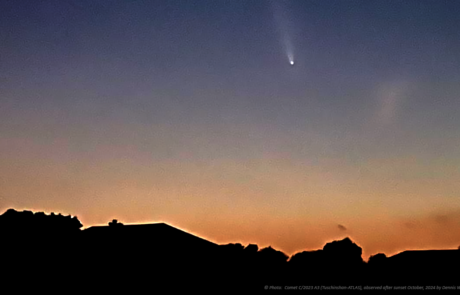
Democracy in the Time of Autocrats

2025-04-10T20:01:56-07:00

To register for the 2025 Symposium, please email sfwaforum@outlook.com with names of registrants, days attending and whether paying by check to SFWAF and mailed to: The Santa Fe World Affairs Forum PO Box 31965, Santa Fe, New Mexico 87594. Or to by Paypal or credit card through our website at    https://sfwaf.org/payment 

April 10-11, 2025

Speakers

Gary A Grappo, US Ambassador (rtd) and currently Distinguished Fellow at the Center for Middle East Studies at the Korbel School of International Studies, University of Denver; CEO of Equilibrium Consulting.

Siegfried Hecker, former director of Los Alamos National Laboratory and current professor of practice at Texas A&M University and at the Middlebury Institute of International Studies, Monterey, CA;

Dr. Manuel Montoya, PhD, Associate Professor, University of New Mexico, Department of Economics.  A member of the Council on Foreign Relations, he has delivered over 100 lectures on emerging markets and global conflict worldwide and is a recent recipient of UNM’s Presidential Teaching Fellowship, the university’s highest honor.  He has also developed Vessels and Voids, a podcast, which he discusses the link between popular culture and development of global society.

Dr. Jody K Olsen, former Director and Deputy Director of the US Peace Corps and Peace Corps staff member and volunteer who currently co-chairs Women of Peace Corps Committee, chairs the Peace Corps Commemorative Foundation Park Advisory Committee and a member of the Maryland Governor’s Commission for Service and Volunteerism.  Dr Olsen has also authored A Million Miles:  My Peace Corps Journey which was published earlier this year.

Eric Rubin, US Ambassador (rtd) to Bulgaria and former president of the American Foreign Service Association;

Summary

We live in stormy times. The heyday following Communism’s end in the Soviet Union and Eastern Europe is a faded memory. History has not ended as once prophesized – it has instead moved on to the rise of populist leaders and their autocratic control domestically and internationally. The democratic model which promised so much is under challenge throughout the globe.

Can democracy survive the onslaught of autocrats? Can civil society institutions prove to be democracy’s underlying strength? But will they hold, or will they too falter?

There is deepening concern that autocrats, often initially elected democratically, have used the levers of raw power to dominate mainstream and social media, subvert education, and control elections first to hobble and then effectively destroy democracy turning back the clock by sweeping away progress on desperately needed reforms – from action on climate change to gender and income inequality.

Moreover, do autocracies now seize the opportunity to attack their neighbors? Threaten nuclear holocaust unless they get their way, and destabilize the

international order that kept the peace throughout much of the world since the end of WWII?

How significant is the ripple effect of the seemingly sudden demise of the 40 year old Assad dynasty not just for Syria itself but also for the greater Middle East, Russia, Ukraine, Europe, Africa, Latin America, Asia and beyond? How can a seemingly small pebble tossed into a sea turn into a tsunami of global proportions within a single week?

This symposium will analyze what such political changes, including those in this country, portend for democracy and the future of our world.

Symposium Schedule

Hours: The April 2025 Symposium will begin registration on Thursday at 9:00 am and conclude at 3:45 pm;
Friday will begin at 9:00 am and conclude at 4:00 pm.
Both days include a continental breakfast, a buffet lunch. Coffee, tea and water will be available during the program and at breaks

9:00-9:30 Registration & Continental Breakfast

9:30-10:00 Welcome – Dr. Becky Rowley, President SFCC, Santa Fe Mayor Alan Webber and Dr. Patricia H Kushlis, SFWAF President

10-11:30 Ambassador (rtd) Gary A Grappo

“A New Middle East: Same Old Conflicts,” US Ambassador (rtd) to the Sultanate of Oman is currently a Distinguished Fellow at the Center for Middle East Studies, Korbel School of International Studies, University of Denver and CEO of Equilibrium Consulting where he provides analysis and guidance on foreign affairs. A career Foreign Service Officer he served as Charge and Deputy Chief of Mission of the US Embassy in Riyadh, Kingdom of Saudi Arabia, and Minister Counselor for Political Affairs at the US Embassy Baghdad as well as assignments in Jordan and Jerusalem.

11:45 – 1:15 Dr. Emile Nakhleh

“Democracy’s Struggle in the Modern Arab State,” Former Senior Intelligence Service (SIS) Officer (CIA), Founding Director, Political Islam Strategic Analysis Program (CIA), Founding Director, Global and National Security Policy Institute (UNM), Life Member, Council on Foreign Relations, Consultant on the Middle East, political Islam, radicalization, terrorism, and intelligence.

1:15 – 2 Buffet Lunch

2 – 3:15 Ambassador (rtd) Eric Rubin

“The US, Europe, Ukraine and Russia: Where Do We Go From Here?” US Ambassador (rtd) to Bulgaria and former president of the American Foreign Service Association – the professional association and labor union of the Foreign Service; An active duty US Foreign Service Officer who focused on US policy and national security from 1985-2023. His assignments included Deputy Asst. Secretary of State for European Affairs and Deputy Chief of Mission in Moscow from 2008 through 2014.

3:30 – 4:45 Dr. Manuel Montoya

“Authoritarianism and Tensions in Modernity: How the Roots of Modern Civil Society Activate Authoritarian Sentiments,” PhD, Associate Professor of Economics, University of New Mexico with focus and publications on the global economy – from international trade to the creative economy. He is a Council on Foreign Relations member, Rhodes Scholar, recent recipient of UNM’s Presidential Teaching Fellowship, UNM’s highest teaching honor. Developer of the Podcast, “Vessels and Voids”, he explores the link between popular culture and the development of global civil society.

9:15 – 9:30 Registration & Continental Breakfast

9:30 – 10:45 Dr. Jody Olsen

“Helping Hands Do Make a Difference,” PhD, Peace Corps Director (2018-2021), former Deputy Director, Country Director (Togo) and Peace Corps Volunteer (Tunisia), Regional Director (Europe & Asia), visiting professor and director of the Center for Global Education, University of Maryland-Baltimore, including co-chair of Women of the Peace Corps Legacy and member of the Maryland Governor’s Commission for Service and Volunteerism, author of “A Million Miles: My Peace Corps Journey” 2024.

11:00 – 11:45 Student Panel: UNM, UWC-USA, SFCC 

Chaired by Dr. Steven Bishop, Director – International Studies Institute, UNM

11:50-12:50 Buffet Lunch

12:50 – 2:20 Dr. Siegfried Hecker, Professor of Practice, Texas A&M University and Middlebury Institute of International Studies at Monterey, CA, Professor Emeritus, Stanford University and Director Emeritus, Los Alamos National Laboratory in conversation with Arvid Lundy, SFWAF Vice President.

2:20 – 2:30 Coffee Break

2:15 – 3:45 Immigration Panel: information panel and discussion with three New Mexico experts Chaired by Krista Peterson, SFWAF Board Member

3:30 – 4:00 Closing – Dr. Patricia H. Kushlis  

America’s Place in the World – Still Indispensable?

2024-04-17T18:42:04-07:00

Annual Symposium 2024

America’s Place in the World – Still Indispensable?

Cosponsored by the Santa Fe Community College

Jemez Rooms at Santa Fe Community College (SFCC)
Santa Fe, New Mexico

SFCC

To register for the 2024 Symposium, please email sfwaforum@outlook.com with names of registrants, days attending and whether paying by check to SFWAF and mailed to: The Santa Fe World Affairs Forum PO Box 31965, Santa Fe, New Mexico 87594. To pay by Paypal or credit card please use our website at  https://sfwaf.org/payment 

Thursday April 25 and Friday April 26, 2024

Summary

Symposium 2024Is American influence waning? Is the United States stretched too thin? Or is the US still the world’s indispensable nation? Can it be both? If so, for how much longer? How stable – at home and abroad – is American democracy and US leadership? Or is it being irreparably eroded from within and without?
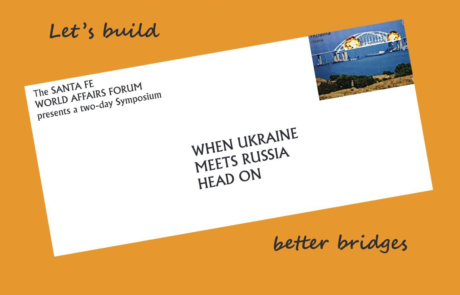
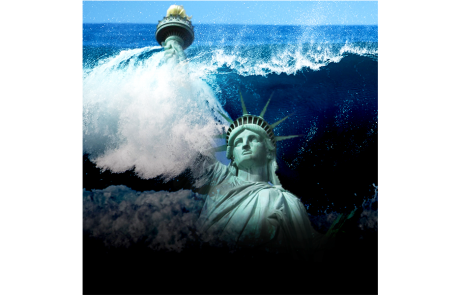
What can we do to address our deepest fears or are mountains being made out of mole hills? Is the threat of war expanding beyond the current conflicts that could draw in the US militarily real? Would an international provocation tip the delicate balance of the containment policy employed by the Biden administration? How would US policy, its effectiveness and the American image abroad change if a conservative Republican were elected to the White House in 2024? This year the Santa Fe World Affairs Forum will take a deep dive into the questions of American international influence as the global order rests on increasingly shaky pillars. Can the US still retain its democratic form of government and compete in this increasingly complex and troubled world? Is so how?

Speakers

Eric Rubin, US Ambassador (rtd) to Bulgaria and former president of the American Foreign Service Association;

Siegfried Hecker former director of Los Alamos National Laboratory and current professor of practice at Texas A&M University and at the Middlebury Institute of International Studies, Monterey, CA;

Dr Emile Nakhleh Former Senior Intelligence Service (SIS) Officer (CIA), former Research Professor and Director, GNSPI (UNM), Founding Director, Political Islam Strategic Analysis Program (CIA), Founding Director (rtd), Global and National Security Policy Institute (University of New Mexico);

John Herbst. US Ambassador (rtd) to Uzbekistan and Ukraine, and Director of the Dinu Patriciu Eurasia Center, Atlantic Council;

William Itoh, US Ambassador (rtd) to Thailand and former Executive Secretary of the National Security Council.  Professor of the Practice in the Department of Public Policy at the University of North Carolina, Chapel Hill and a Senior Advisor to McLarty Associates, an international business consulting firm;

Dr Nicholas Cull,   Professor of Communication, University of Southern California (USC) Annenberg School for Communication and Journalism, Global Communication Policy Fellow, Center Leadership and Policy;

Chair, University and college student panel

Mark Asquino, US Ambassador (rtd) to the Republic of Equatorial Guinea.  Retired career Foreign Service Officer, Fulbright scholar, Member of the board of directors of Global Santa Fe. Dr Asquino’s memoir, Spanish Connections, published in 2023, is available from Amazon and Barnes and Noble.

Symposium Schedule

9:00-9:30 Registration

9:30-10:00 Welcome – Dr Becky Rowley, PhD, President SFCC, Santa Fe Mayor Alan Webber, and Dr. Patricia H Kushlis, SFWAF President

10:00-11:30 “Overview:  America’s Place in the World – Still Indispensable?”  Ambassdor (rtd) Eric Rubin, US Ambassador (rtd) to Bulgaria and former president of the American Foreign Service Association

11:30-11:45 Coffee break

11:45-1:15 Ambassador (rtd) John Herbst, “Is the US Abandoning 80 Years of Global Leadership?  Why Stopping the Kremlin in Ukraine is Necessary.”   Ambassador Herbst was US ambassador to Uzbekistan and Ukraine, and is currently Senior Director, Eurasia Center, at the Atlantic Council.

1:15-2:15 Buffet LunchHavana Syndrome Panel:  A Discussion (1:30-2:00)

2:15 – 3:45 Ambassador (rtd) William H Itoh, “Re-engaging Asia in 2024.” Ambassador Itoh serves as Professor of the Practice in the Department of Public Policy at the University of North Carolina, Chapel Hill. He is also a Senior Advisor to McLarty Associates, an international business consulting firm. Ambassador Itoh had a distinguished career in public service with the Department of State. From 1995-1999 he served as U.S. Ambassador to the Kingdom of Thailand. Prior to his appointment to Bangkok, he was Executive Secretary of the National Security Council at the White House (1993-1995).

9:00-9:15 Registration

9:15 – 10:45 Dr. Siegfried Hecker, “How Do We Rebuild the Global Nuclear Order?”  Professor of Practice, Texas A&M University and Middlebury Institute of International Studies at Monterey, CA, Professor Emeritus, Stanford University and Director Emeritus, Los Alamos National Laboratory

Coffee break

11:00 – 12:30 Dr. Emile Nakhleh,  ‘US Involvement in the Middle East:  A Plea for Clarity’ Former Senior Intelligence Service (SIS) Officer (CIA), a former Research Professor and Director, GNSPI (UNM), a Founding Director, Political Islam Strategic Analysis Program (CIA), a Founding Director, Global and National Security Policy Institute (UNM), a Life Member, Council on Foreign Relations, a Consultant on the Middle East, political Islam, radicalization, terrorism, and intelligence

12:30 – 1:15 Buffet Lunch

1:15-2:00 University and College Student Panel Discussion with students from UWC-USA and graduate students from the University of New Mexico.  Chaired by Ambassador (rtd) Mark L Asquino, US Ambassador to Equatorial Guinea US Ambassador (rtd) to the Republic of Equatorial Guinea.  Retired career Foreign Service Officer, Fulbright scholar, Member of the board of directors of Global Santa Fe.

Coffee break

2:15-3:45 Dr Nicholas Cull, Professor of Communication, University of Southern California (USC) Annenberg School for Communication and Journalism, Global Communication Policy Fellow, Center Leadership and Policy,  “A Historical Approach to Discerning Fact from Fiction – Lessons for Dealing with Disinformation in the Information Age

3:45 – 4:00 Closing – Dr Patricia H Kushlis

When Ukraine Meets Russia Head-On

2023-05-07T19:45:25-07:00

To register for the 2023 Symposium, please email sfwaforum@outlook.com with names of registrants, days attending and whether paying by check to SFWAF and mailed to: The Santa Fe World Affairs Forum PO Box 31965, Santa Fe, New Mexico 87594. Or to by Paypal or credit card through our website at    https://sfwaf.org/payment 

April 13-14, 2023

Speakers

Ambassador William B Taylor, Vice President for Russia and Europe, US Institute for Peace, former US Ambassador to Ukraine;
Juha Makkikali, Finnish Honorary Consul, Denver, CO;
Dr. Gary M Grossman, Professor, School for the Future of Innovation in Society, Arizona State University and former Fulbright professor (in Turkey);
Dr. Nancy Lubin, President, JNA Associates, Inc a research/consulting firm on the former USSR, especially Caucasus/Central Asia;
Siegfried S Hecker, Professor of Practice, Texas A&M University and Middlebury Institute of International Studies at Monterey, CA, Professor Emeritus, Stanford University and Director Emeritus, Los Alamos National Laboratory;
Ambassador(rtd) Larry C Napper, Professor of the Practice Emeritus of International Affairs, Bush School of Government and Public Service, US Foreign Service (1974-2004) including service as Director of the Office of Soviet Union Affairs, US Department of State and US Ambassador to Latvia and Kazakhstan;
John Holden, Sr. Managing Director, China Practice, McClarty and Associates.

Summary

When Russia invaded Ukraine on February 24, 2022, no one believed that a supposedly weak Ukraine could maintain its independence. As for Vladimir Putin, he expected to topple the Zelenskyy government in a matter of days—or less. And so, flagrantly violating the norms and laws that had promoted world peace and stability for 70 some years, a heavily armored column of Russian troops headed for Kiev. They never got there.

How could Putin have got it so wrong? Hubris, of course, but mostly miscalculation. Putin never expected to confront a brave and fervently patriotic population, a revamped military and the ingenuity and bravery of Ukraine’s civilian and military leadership. Nor did he anticipate a rejuvenation of NATO (Turkey and Hungary excepted) united in support of Ukraine, thus enabling a massive flow of Ukraine-bound weaponry from its arsenals. Or that his invasion would result in neutral Finland’s and Sweden’s applications for NATO membership.

It’s too early to predict the shape of a post-invasion Ukraine. Nor can we be certain that Russia will never again seek to roll back history by invading apparently weak neighbors. But one thing is certain. Putin and his army are being humiliated. He won’t get what he aimed for in Ukraine. Moreover, this conflict’s international ramifications – testing the foundations of the world order – are massive.

Symposium Schedule

Santa Fe Community College Jemez Rooms – #231-2

9:00-9:30 Registration

9:30-10:00
Welcome, SFCC President Dr. Rebecca Rowley, Santa Fe Mayor Alan Webber, Dr. Patricia H Kushlis, President, Santa Fe World Affairs Forum

10:00-11:30
Opening Speaker: Ambassador rtd William B. Taylor, USIP
Talk Title: Russia’s Invasion of Ukraine: Why Ukraine Must Win Ambassador Taylor will argue that Ukraine’s victory will make the US and Europe more secure and that only with a Ukrainian win will Russia be held accountable for the crimes they are committing. 

11:30-11:45 Coffee Break

11:45 -1:15
Second Speaker Juha Makikalli, Finnish Honorary Consul, Denver, CO Talk
Title: NATO, Finland and Sweden and the western response: the Path Forward

1:15-2:00 Buffet Lunch

2:00-3:15
NATO’s outlier:  Turkey (Gary Grossman, Assoc. Professor, School for the Future of Innovation in Society, Arizona State University and former Fulbright professor in Turkey.
Talk TitleDiplomacy, Division, and Democracy in Turkey’s Response to the Ukraine Conflict:  What is Erdogan’s Problem?

3:15-3:30 Coffee Break

3:30-4:45
Russia’s Influence on Central Asia: JNA President and Central Asian and corruption expert Nancy Lubin
Talk title:  The Central Asian Response

SFCC Jemez Rooms – #231-2

9:00-9:15 Registration 

9:15-10:45
Siegfried S. Hecker, Professor of Practice at Texas A&M University and the Middlebury Institute of International Studies at Monterey, CA; Professor Emeritus, Stanford University and Director Emeritus, Los Alamos National Laboratory
Talk title:  Putin Destroyed the Global Nuclear Order by Invading Ukraine

10:45-11:00 Coffee Break

11:00 – 12:30
US Russia specialist Larry Napper, US Ambassador rtd, on Russia Today, former professor, The Bush School, Texas A&M, adjunct professor, Emery Riddle University, Prescott, AZ
Talk Title:  The Sources of Putin’s Conduct and the War on Ukraine

12:30 – 1:15 Buffet Lunch

1: 15 – 2: 00
Student Panel chaired by Ambassador(rtd) Mark Asquino with foreign students from the University of New Mexico, UWC-USA and SFCC

2:00-2:15 Coffee Break

2:15 – 3:30
The invasion’s repercussions:  John Holden, Sr managing director, China Practice, McClarty and Associates
Talk Title: China: Crossroads and Contradictions

3:30-3:45 Thank you and closing remarks – Pat Kushlis  

The Warming World: Rising Temperatures, Rising Tides, Rising Turbulence

2020-03-09T15:48:40-07:00

Postponed

Dates to be determined

Scientific study after study demonstrates the enormity of the impact of climate change on earth’s biosphere.  These changes range from the Arctic’s melting icecap and the desertification of parts of Africa to rising sea levels submerging Pacific islands and parts of populous countries like Bangladesh.  The increase and intensity of typhoons in Asia and hurricanes in the Caribbean, wildfires in California and Indonesia as well as melting ice, changing trade routes and new security threats in the Arctic are all part of this manmade phenomenon.

Some of this story plays out in 24/7 news – but much more does not.  What do we know about the national security impact of climate change and how US military planners are attempting to prepare for it?  What about its relationship to the increasing flows of migrants uprooting and risking their lives to cross continents, borders, rivers and seas in search of safe havens often to be met by hostility, indifference and uncertain futures?  What about the spread of disease and the possibility of pandemics we have yet to discover?  How can we address technological impediments to climate change mitigation?  Finally, why are even the governments of countries which have been on the forefront of climate mitigation, unable to move to a new economy based on alternative energy?

If we’ve known for years about the warming world, why hasn’t more been done to try to slow or deter its worst effects?  Many people now understand that climate change is, foremost, driven by rising carbon dioxide and other greenhouse gas levels from human activities such as the burning of fossil fuels such as coal, oil, and natural gas and current agricultural practices like raising livestock and clearing land resulting in changes in our atmosphere leading to warming of the planet.  But are major impediments exclusively from oil and coal companies trying to preserve the bottom-line?  Are infrastructure and unemployment fears also holding us back? Are new technologies available or on the horizon to help mitigate the worst effects of the earth’s rapid warming?

The impact of global warming is not just an issue for scientific researchers, for military planners confronting the next national security threat or for energy company executives preserving short term profits.  It is more critically an issue that directly affects our lives and the future of our children.

Dealing with the New Normal:  Climate change is global.  Rising temperatures respect no national boundaries.  This is the new (ab)normal. As such it presents complex transnational problems.  It is an ever shifting calculus. It requires involvement from all levels of government, international organizations, large corporations, local city councils, small startups, researchers, teachers, students and all citizens of planet earth to begin to cope with this heretofore silent crisis.

This symposium will explore the interrelated issues of coping with the warming world from the vantage points of national security, economic viability, health and human welfare.

Symposium Schedule

Rising Authoritarianism: Can Democracy Meet the Challenge?

2019-05-01T14:20:34-07:00

April 11-12, 2019

 Professor Melissa Bokovoy, Chair, History Department, University of New Mexico. Eastern Europe Specialist; Ellen Laipson, Director, International Security Program, George Mason University, former Director of the Stimson Center; Ambassador Charles Shapiro (rtd), President of the World Affairs Council of Atlanta, former US Ambassador to Venezuela and career senior US Foreign Service Officer (rtd); Professor James West, former professor of Russian History and Humanities, Middlebury College and the Humanitarian University, St. Petersburg, Russia; Folkert Geert Wilman, Attorney, European Commission, EU Legal Service, Brussels, and EU Fellowship Program 2018-19; Ambassador James Zumwalt (rtd), CEO Sasekawa Peace Foundation USA, former US Ambassador to Senegal and career senior US Foreign Service Officer.

Please Download Form and Send it to Santa Fe World Affair Forum: Click here to Download Symposium Registration.

Summary

This year’s symposium on April 11 and 12 will address an issue of especially vital concern to us all: “Rising Authoritarianism: Can Democracy Meet the Challenge?” Taking place on the campus of Santa Fe Community College, the Symposium will bring together six specialists who will speak individually, introducing a global overview of the underlying causes of authoritarianism and of countervailing measures against its rise, followed by sessions focusing on the specific circumstances in Europe, Latin America, and the U.S.

Also included will be a student panel of foreign and dual-national students studying at colleges and universities here in New Mexico. As in the past the Symposium will offer all attendees ample opportunity for questions, discussions, and informal exchanges with speakers.

For more than two centuries, America has advocated for democratic principles starting with its Founding Fathers who proclaimed our nation to be created by and for the people, to joining with the liberal world to fight for our beliefs in two world wars.  Following those wars, the United States was in the forefront of international efforts to create global institutions dedicated to peace, prosperity and justice. Our leaders have sometimes badly faltered or made poor decisions in seeking to preserve American leadership and universal values of democracy, human rights, and the rule of law.  But we have for the most part tried to move forward towards such aspirational goals throughout our history.    Other nations have not always agreed with our individual policies, but no one doubted the American example of strong democratic institutions, a robust civil society and a desire to build a world based on common values and interests.

Now, as a new era of international strongmen emerges, are America’s traditions and institutions capable of ensuring that democratic principles continue to push back on the tyranny that has threatened every generation?  The symposium examines this moment with open eyes, asking tough questions about the global authoritarian threat, its underlying causes, and how it can be, and is being, countered.

When strong democratic institutions and civil society perform their essential functions, society enjoys a good faith debate about the best way to advance global and national interests.  However, when rule of law is eroded, nationalism politicized, alliances strained, the press demonized and society fractured by rising hate crimes and attacks on electoral integrity, the norms that promote and preserve a resilient democratic society become frayed. International institutions based on shared democratic values can also be undermined and weakened when the U.S. government appears to question their continuing relevance.

Can the U.S. continue to be a leader that holds others to account when we ourselves falter in meeting these challenges? What causes the authoritarian impulse to break out of the democratic norm, and why do so many here and abroad find these demagogic appeals so attractive?  Has a decline in American global leadership inadvertently given other nations permission to erode their own democratic institutions?  Will a fractured and divided America be able, or willing, to work with other democracies holding others accountable when we fail to do so at home?

Focusing on Europe, Latin America and the US, the symposium will examine these questions in order to better understand not only the causes and symptoms that bring us to this moment, but just as importantly, to explore what can be done to meet these authoritarian challenges to democracy.

Symposium Schedule

8:00-8:30:     Registration

8:30-8:45:     Welcome

Dr. Cecilia Cervantes, Interim President SFCC.

8:45-10:15:     Ellen Laipson, Director, International Security Program, Schar School of Policy and Government, George Mason University, “How 21st Century Geopolitics Poses Risks to the Future of Democracy”.

10:15-10:25:     Coffee Break

10:30-11:55:     Dr. Melissa Bokovoy, History Dept Chair, University of New Mexico, “Manipulation of History in Eastern Europe”.

11:55-1:15:     Lunch

1:15 – 2:45:     Dr. James West, Professor of Russian History and Humanities, “The Fascist Temptation”. 

2:45-3:00:     Afternoon Break

3:00- 4:30:     Dr. Folkert Wilman, attorney, EU Commission, EU Legal Service, Brussels, “Not So Social Media? European Responses to Social Media’s Dark Sides”.

4:30-5:30:     “Meet the Speaker Reception” SFCC

9:15-9:30:     Registration

9:30 -10:00:     Welcome

Alan Webber, Santa Fe Mayor

10:00-11:30:    US Ambassador (rtd) Charles Shapiro, President of the World Affairs Council Atlanta, Latin America: Authoritarianism on the Right and Left. )

11:30-11:45:     Coffee Break

11:45- 12:45:  Student Panel (3-4 students from local institutions) discussing their own civil society moderated by US Ambassador (rtd) Mark Asquino

12:45 – 1:30:     Lunch

1:30- 3:00:     US Ambassador (rtd) James Zumwalt, CEO Sasakawa Foundation, American Democratic Values at Risk: US Leadership Where Do We Go From Here? 

The Speakers

Professor Melissa Bokovoy
Professor Melissa BokovoyChair, History Department, University of New Mexico. Eastern Europe Specialist
Topic: “Manipulation of History in Eastern Europe”

More About
Ellen Laipson
Ellen LaipsonDirector, International Security Program, George Mason University, former Director of the Stimson Center
Topic: “How 21st Century Geopolitics Poses Risks to the Future of Democracy?”

More About
Ambassador Charles Shapiro
Ambassador Charles ShapiroPresident of the World Affairs Council of Atlanta, former US Ambassador to Venezuela and career senior US Foreign Service Officer (rtd)
Topic: “Latin America: Authoritarianism on the Right and Left”

More About
Professor James West
Professor James WestFormer professor of Russian History and Humanities, Middlebury College and the Humanitarian University, St. Petersburg, Russia
Topic: “The Fascist Temptation”

More About
Folkert Geert Wilman
Folkert Geert WilmanAttorney, European Commission, EU Legal Service, Brussels, and EU Fellowship Program 2018-19
Topic: “Not So Social Media? European Responses to Social Media’s Dark Sides”

More About
James Zumwalt
James ZumwaltCEO Sasakawa Peace Foundation USA, former US Ambassador to Senegal and career senior US Foreign Service Officer
Topic: “American Democratic Values at Risk: US Leadership – Where Do We Go From Here?”

More About

Cosponsors and Partners

Cosponsors
The Colorado European Union Center of Excellence (CEUCE)
The European Union
The Santa Fe Community College


Partner Organizations include:
AAUW – Albuquerque
American Foreign Service Association
DPSFC
Fulbright Association of NM
Global Ties – ABQ
Los Alamos Committee on Arms Control and International Security (LACACIS)
PDAA: the Public Diplomacy Association of America
Public Diplomacy Council
RENESAN
Santa Fe Art Institute
Santa Fe Sister Cities Committee
School for Advanced Research (SAR)
Sister Cities International – New Mexico
UNM – International Studies Institute
UWC-USA
WISC: Women’s International Studies Center
World Affairs Council-Albuquerque
Donors

TBD

Student Scholarship Sponsors

TBD

EU Logo

Registration

April 11 & 12
Members:  $95
Non-Members: $120
Students: $60


April 11 Only
Members & Nonmembers: $75


April 12 Only
Members & Nonmembers: $65

Register for the Symposium:


Where

Santa Fe Community College – Jemez Room

From Rodeo Road turn south onto Richards Avenue. At the third roundabout turn into the campus main drive.
The Visitors Parking Lot is to the right as you enter the campus via Richards Ave. (Handicap parking spaces are in the lot to the left.) Enter the administrative building to the left through the courtyard behind the poles flying the US and New Mexico flags. Walk to the end of the main corridor. The Jemez Rooms are next to the cafeteria, before you reach the bookstore.