


Responding to COVID-19 While Preparing for the Next Pandemic: Latest Developments in Global Health Security
April 27, 2022
Ambassador John E.

Past Programs
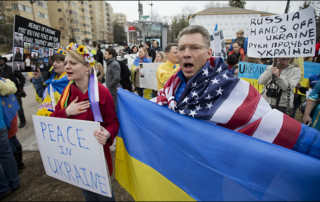
How Russia Views the World
October 14, 2016 Ambassador Kenneth Yalowitz and Mikhail Alexseev Twenty-five years ago, the Soviet Union collapsed and the Kremlin’s view of the world changed dramatically. Suddenly, the Russian Federation, the Soviet Union’s successor state internationally, was surrounded by 14 newly independent nation-states, each with its own interests and relationships with Moscow and the world. All
Terrorism and the Middle East in 2016: Next Steps
September 12, 2016 Dr. Emile Nakhleh The Islamic State (ISIS or ISIL) continues to threaten the Middle East region, the United States and the world. What are the ideological and policy factors that drive it, and what lies behind its apparent resiliency? In contrast with its predecessor terror group, al-Qa’ida, the “jihadist” threat from

A Special Showing of “America’s Diplomats”
June, 2016 This one hour documentary on June 23 from 12-2 explores the role of diplomacy in shaping American history and focuses on the people who have staffed our embassies, consulates and US Department of State throughout our history, what their lives are like and what they do. This story begins with Benjamin Franklin and his

Doomed to cooperate: How American and Russian nuclear scientists joined forces to avert some of the greatest post-Cold War Dangers
March 18, 2016 Siegfried. S. Hecker: Professor at Stanford University’s Center for International Security and Cooperation Nuclear risks changed dramatically when the Soviet Union collapsed. Suddenly the world was threatened more by Russia’s weakness than its strength. Never before had a country with the capacity to destroy the world experienced such turmoil.

Africa’s Petroleum Boom: Blessing or Curse?
February 26, 2016 Mark L. Asquino: US Ambassador to Equatorial Guinea, 2012-15 Several Sub-Saharan African nations have been experiencing an unprecedented influx of riches as a result of the exportation abroad of their oil and gas. Equatorial Guinea, where Mark Asquino was Ambassador until October, is the third largest petroleum

The Iran Nuclear Deal: What It Is, What It Isn’t, and Its Potential Ramifications
November 20, 2015 Cheryl Rofer, Former President of the Los Alamos Committee on Arms Control and International Security On July 14, Iran signed the Joint Comprehensive Plan of Action with the P5+1 (or E3+3) – the United States, United Kingdom, France, Russia, China and Germany. The agreement imposes strict controls